JinfujeosScalp & hair · Melbourne

We work on one thing: the scalp and the hair that grows from it

Jinfujeos is a single-vertical trichology practice in Melbourne. Every program starts with a 60-minute trichoscopic assessment — magnified imaging, measured density, documented calibre — so that changes can be compared instead of guessed.

Tue–Fri 9:00–18:00 · Level 4, 118 Flinders Lane

40×
Trichoscope magnification used for every baseline image
4
Markers recorded at each review: density, calibre, anagen share, scaling
90 days
Minimum interval before a growth cycle change can be read
1
Vertical. Scalp and hair only — no other services on site

Figures describe our method and equipment, not individual outcomes.

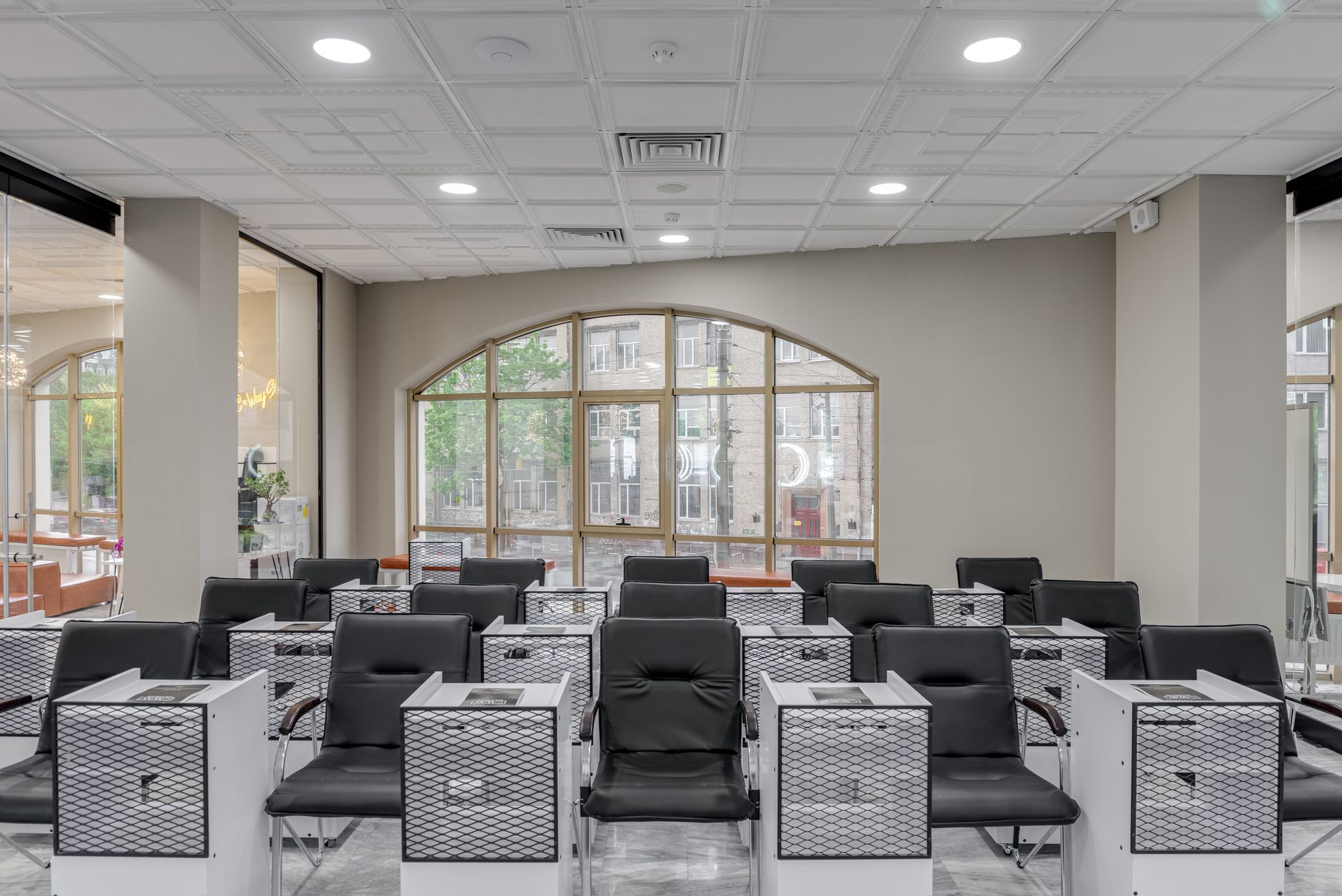
Assessment room at Jinfujeos, Melbourne
The assessment room, Level 4, Flinders Lane
Diagnostics

What a trichology visit actually is

A hairdresser’s consultation is built around styling, cut and colour. A dermatology appointment is a medical consultation that may lead to a diagnosis and a prescription. A trichology visit at Jinfujeos sits in a narrower band: we examine the scalp and hair fibre under magnification, record what can be measured, and write a cosmetic plan that can be compared at a later date. We do not cut, colour or style hair, and we do not issue medicines.

The first visit is a 60-minute trichoscopic assessment. We take a structured history, inspect named zones of the scalp, capture baseline images at a fixed magnification, and record four markers that can be repeated. You leave with a verbal outline the same day and a written findings document within three working days. That document is a service in its own right; you are not asked to enrol in a program in order to receive it.

Impression is a poor instrument for hair. Lighting, parting, product residue and the observer’s memory all shift from one month to the next. Measurement does not remove uncertainty, but it does give both of us a shared record. When we later say that density or calibre has moved, we are pointing at paired images of the same square centimetre, taken under the same conditions, rather than at a feeling in the mirror.
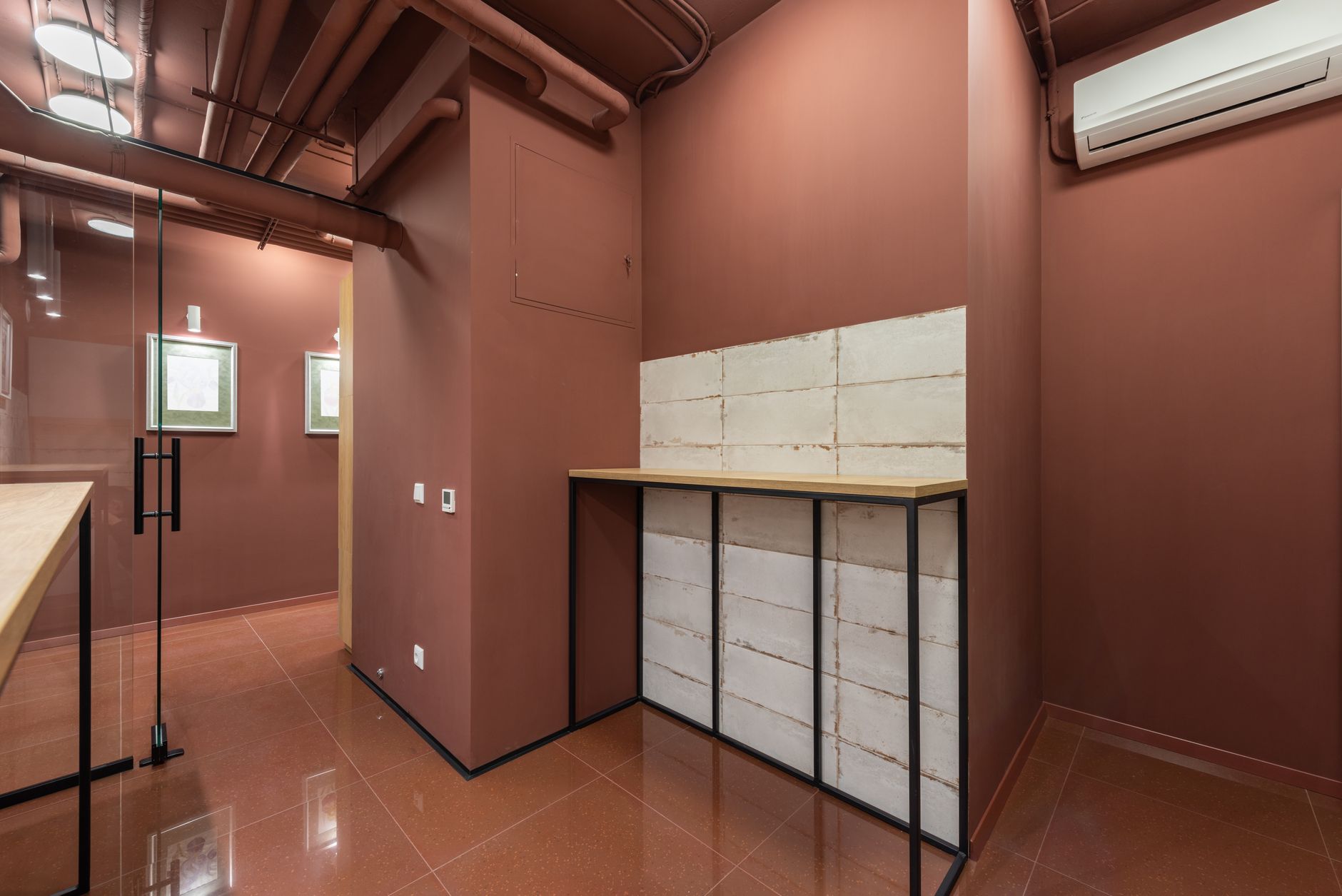
Clinic interior on Flinders Lane
One room, one vertical: scalp and hair only

Jinfujeos provides cosmetic trichology services. We do not diagnose medical conditions and do not prescribe medicines. Where findings suggest a medical cause, we recommend review by your GP or a dermatologist.
Measurement

The four markers we record

Each baseline and each review writes the same four markers. They are chosen because they can be repeated in this room, with this equipment, without a laboratory. They are not a complete medical work-up, and they do not replace blood tests or a dermatologist’s examination when those are indicated.

Marker

Follicular density (FU/cm²)

We count follicular units in a marked field and express the figure per square centimetre. Density tells us how crowded a zone still is, and whether thinning is concentrated at the vertex, the mid-scalp or the hairline. A later count on the same field is how we judge whether a program has changed the picture.

Marker

Hair shaft calibre & calibre variation

Calibre is the thickness of individual shafts. Miniaturising hairs sit beside thicker ones in many forms of pattern change, so we record both the typical calibre and how widely it varies. A program that only “feels thicker” in the hand is harder to defend than one that shows a shift in this spread.

Marker

Anagen / telogen ratio (phototrichogram)

Where shedding is the main complaint, a phototrichogram on a clipped test patch can show the share of hairs in growth versus rest. It is a two-visit add-on, not a default. We recommend it when the history and the first images do not already explain the rate of loss.

Marker

Perifollicular erythema and scaling pattern

Redness around follicle openings and the pattern of scale tell us how irritated or seborrhoeic a scalp is on the day. These markers guide barrier work and product choice. They also tell us when the picture is inflammatory enough that a GP or dermatologist should see it before we continue cosmetic treatment.

Close imaging of the scalp
Baseline images are taken at 40× on marked zones
Programs

How a program runs

A hair cycle does not close in a fortnight. We therefore refuse to call a cosmetic change after one or two visits. The sequence below is the same for every program we sell; only the number of in-clinic sessions and the review interval change.

1

Baseline assessment (60 min)

History, zone inspection, trichoscopy and the four markers. This visit is billed on its own if you stop here, and credited if you continue into a Foundation or Recovery program.

2

Written findings & plan (within 3 working days)

A PDF with images, numbers by zone, a plain-language interpretation, a 12-week home outline, and a list of items worth taking to your GP if the picture is not purely cosmetic.

3

Home protocol starts

Shampoo and topical steps are written as a short, named sequence. We dispense from a small range. We do not load a cabinet with products that cannot be tied to a marker we intend to review.

4

In-clinic sessions (fortnightly or monthly)

Barrier reset, scaling work, low-level light therapy or microneedling with a topical compound, according to the plan. Each session is documented against the same zones used at baseline.

5

Review imaging at week 12 with side-by-side comparison

The same fields, the same light, the same magnification. We write what moved, what did not, and whether a further block of weeks is justified. Density programs add a second review at week 24.

Concerns

Who we see

Most people arrive with a change they can date: a widening part, a thinner pony, more hair in the drain after an illness or a birth, a sore or flaking scalp, or breakage after bleach and heat. We work with pattern thinning, telogen effluvium, post-partum shedding, traction change at the hairline, seborrhoeic scaling, folliculitis, breakage from heat and chemical services, and menopausal thinning. Each of these has a cosmetic plane we can work on, and a medical plane we will not pretend to cover.

If the first images show scarring, sudden patchy loss, or lesions that weep or hurt, we stop the cosmetic plan and write a referral pack for your GP or a dermatologist. The images and measurements already paid for go with you at no extra charge.

Jinfujeos provides cosmetic trichology services. We do not diagnose medical conditions and do not prescribe medicines. Where findings suggest a medical cause, we recommend review by your GP or a dermatologist.

Fees

Fees at a glance

Prices are in Australian dollars and include GST. The assessment can be booked on its own. Program fees credit the baseline visit where stated on the full fee list.

Trichoscopic assessment
60 minutes, written findings within 3 working days
A$185
Scalp Barrier Reset
45-minute in-clinic treatment
A$145
Foundation Program
12 weeks, baseline credited
A$690
Light therapy course
Eight low-level light sessions
A$520
Referral

Where we stop

i

Not every scalp belongs in a trichology chair. We do not diagnose medical conditions, we do not prescribe medicines, and we do not perform hair transplantation. We will not treat active, painful or weeping inflammatory lesions until a doctor has seen them and you return with that advice in hand. Sudden patchy loss and scarring patterns are referred on the same day we recognise them.

When we refer, we send the images and the four markers with you. The aim is to save a second explanation, not to delay care. If a program is already under way and a medical issue appears, we pause the remaining sessions and settle the unused balance under the refund terms.

Start with a measured baseline

A paid assessment is the only entry point. If the images say a program is not the right next step, we will say so in writing.